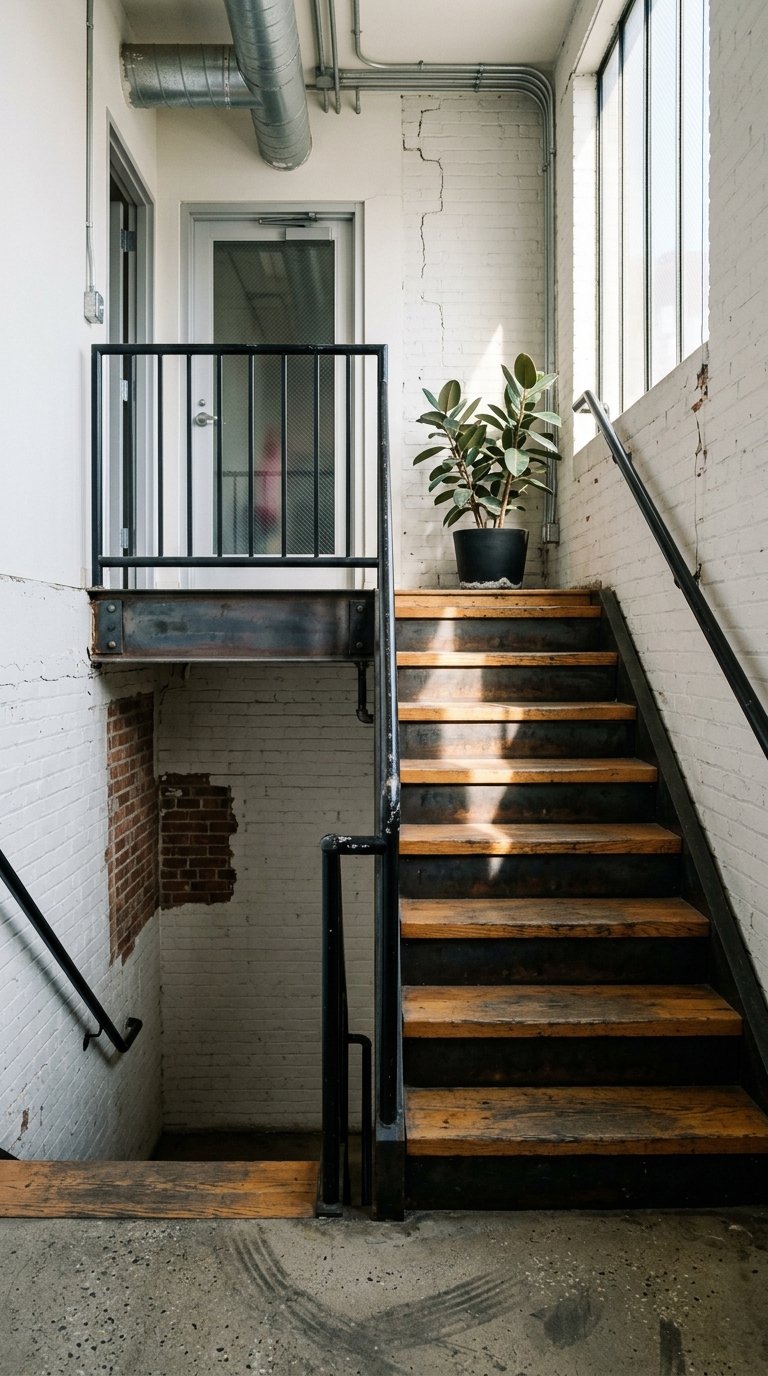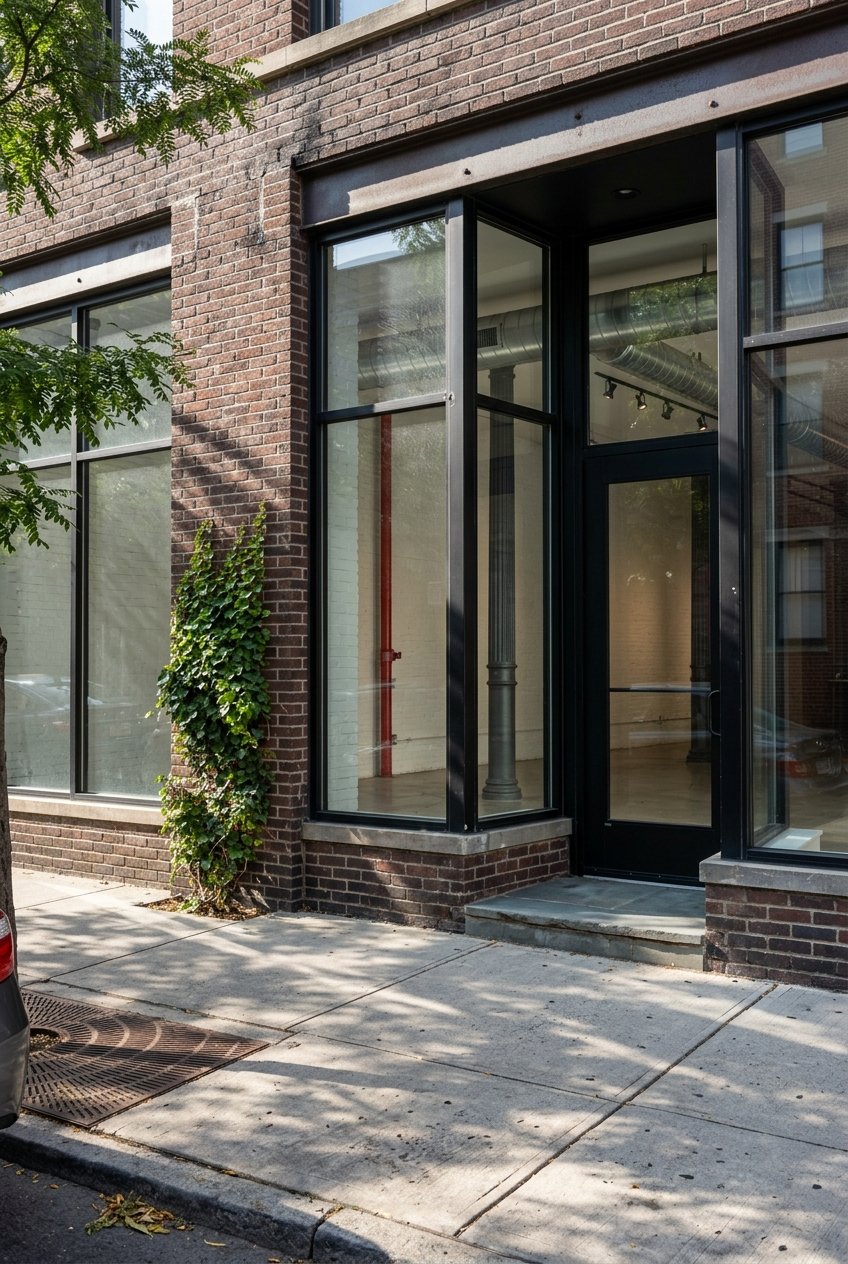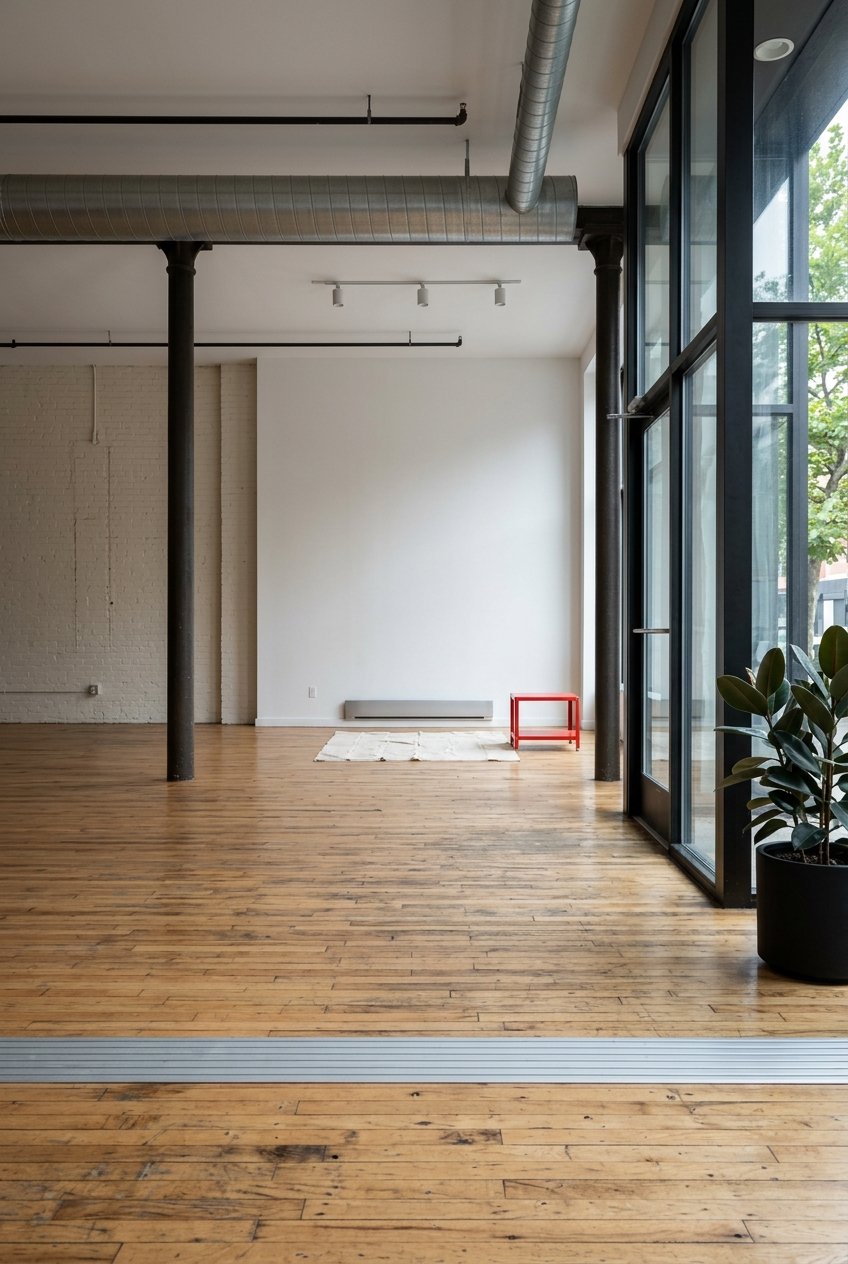
Picking a downtown Manhattan neighborhood for your next activation is not just a real estate decision. It is a brand decision. If you are weighing SoHo, NoHo, and Meatpacking, you are really deciding what kind of attention you want, how people should move through your space, and what the street itself should say about your brand before anyone walks in. Let’s dive in.
Start With Attention Type
These three districts can all support experiential concepts, but they do not work the same way. A helpful way to think about them is simple: SoHo invites comparison shopping, NoHo invites discovery, and Meatpacking invites lingering.
That difference comes from each district’s mix of storefronts, visitor behavior, architecture, and public spaces. For brands planning a pop-up, launch, showroom, or event, the right choice often depends less on prestige and more on whether you want broad visibility, insider credibility, or destination energy.
Why Place Changes the Brand Story
In all three neighborhoods, the built environment matters. SoHo Broadway sits within the SoHo Cast-Iron Historic District, NoHo is described by its BID as almost entirely landmarked, and much of Meatpacking is part of the Gansevoort Market Historic District.
That means storefronts, façades, and streetscapes are part of the experience. In practice, your location is not just where the activation happens. It becomes part of the creative itself, especially when guests are photographing, sharing, browsing, and deciding whether to step inside.
Choose SoHo for Shopping Intent
SoHo feels retail-first
If your concept needs clear shopping context and heavy storefront exposure, SoHo is usually the strongest fit. The SoHo Broadway district reports 1.5 million square feet of retail, 3 million square feet of office space, more than 21,000 workers, and 25,000 residents.
It also reports that subway ridership brings 111,183 people into the district each day. That kind of flow matters when your goal is to meet people who are already in browsing mode rather than convince them to make a special trip.
SoHo supports visible brand storytelling
SoHo has one of the clearest experiential track records of the three. The district has highlighted concepts such as Museum of Ice Cream, Sloomoo Institute, The House of Cannabis, Rally, APL, Ecco, and nearby Glossier as examples of storefront-driven experiences.
That matters because in SoHo, the façade, window display, and sidewalk presence often carry as much weight as the interior build-out. If your brand wants the storefront itself to do a lot of the work, SoHo gives you a setting where that approach feels native.
SoHo works for broad consumer visibility
The district’s tenant mix also points in a clear direction. The SoHo Broadway district says 57% of businesses on Broadway are in TAMI and fashion, and the corridor remains strongly associated with fashion, beauty, luxury, and design-led retail.
Its 2024 retail occupancy held between 82% and 85%, ending the year at 85% occupied. The 2025 REBNY retail report also said Broadway in SoHo led all corridors with a 24% increase in median asking rent in the second half of 2025, which signals strong demand for visibility there.
When SoHo is the best fit
SoHo tends to make sense when you need:
- Strong walk-by exposure
- An instantly legible shopping backdrop
- A high-traffic launch for fashion, beauty, or design-led products
- A storefront that acts as media, not just access
- Broad awareness instead of a private or invitation-only feel
Choose NoHo for Curation and Credibility
NoHo feels more editorial
NoHo offers a different kind of downtown energy. The NoHo BID describes the area as part of Lower Manhattan’s ecosystem of galleries, pop-ups, art events, and retail innovation, with cobblestone streets, cast-iron factories, old walk-ups, and industrial buildings that now house generations of creative uses.
That gives the neighborhood a more curated and design-coded feel. If SoHo reads as obvious retail, NoHo reads as discovery.
NoHo can support intimate activations
Recent BID data suggests the neighborhood has regained momentum. The NoHo BID’s summer 2024 snapshot says Q1 and Q2 2024 foot traffic reached 119% of January 2020, and a separate annual-meeting report snippet cited 8.23% storefront vacancy, 1.75 million domestic visitors in October 2023, 125% FY24 foot traffic compared with pre-COVID, and 21 businesses opened that year.
Those numbers show activity, but at a smaller and more intimate scale than SoHo or Meatpacking. For many brands, that is the point.
NoHo rewards light-touch concepts
Historic preservation is especially important here. The NoHo BID notes that landmarked storefronts and historic-district properties come with both unique strengths and unique challenges, and that many storefront changes may involve LPC review.
For experiential brands, that often means NoHo works best when the concept can be expressed through curation, merchandising, programming, or spatial mood rather than major exterior intervention. In other words, the story needs to feel precise.
When NoHo is the best fit
NoHo often works well for:
- Gallery-like pop-ups
- Showrooms and private previews
- Product launches that want insider appeal
- Design-forward concepts with lighter fit-outs
- Brands that value architecture and atmosphere over maximum volume
Choose Meatpacking for Events and Energy
Meatpacking feels destination-driven
If your activation depends on social energy, photo-ready context, and a full-day audience, Meatpacking stands out. The district overview points to broad metal awnings, Belgian-block streets, eclectic architecture, and a history that evolved from market district to a neighborhood shaped by fashion, nightlife, dining, and creative industries.
Today, the High Line and Whitney Museum help anchor that identity. The result is a district that feels less like a straight shopping corridor and more like an experience ecosystem.
Meatpacking supports larger public-facing moments
The BID’s 2025 district report gives a strong snapshot of current activity: 245 storefronts, 1,054 hotel rooms, 28,000 jobs, 7,800 residents, and an average storefront activation rate of 78%. The same report says the district recorded nearly 200,000 unique WiFi users annually, year-over-year visitation growth of 25%, and 58,000 visitors on the busiest Saturday of the year.
That kind of mix matters when your event benefits from tourism, hospitality, and all-day foot traffic. It gives brands more than a storefront. It gives them a wider event audience.
Meatpacking benefits from strong public realm
Transit and outdoor infrastructure are part of the appeal. The district report cites 10 bus stops, 7 Citi Bike stations, annual ridership of 11,672,402 at 14th Street/Eighth Avenue, and 4,977,986 annual riders on the M14A/D Select Bus Service.
The district also benefits from plazas, open streets, and the West 14th Street Promenade. For brands planning launches, public-facing activations, or event formats with arrivals, waiting areas, or spillover, that setup can make operations and guest flow easier.
Meatpacking works for cultural and social overlap
The city said in 2024 that the High Line welcomed seven million annual visitors. NYC DCLA also lists Whitney Museum free Fridays and second Sundays, which reinforces the area’s recurring cultural rhythm.
That means guests may already be in the neighborhood for more than one reason. Retail, hospitality, culture, and socializing overlap here in a way that can amplify an activation without making it feel isolated.
When Meatpacking is the best fit
Meatpacking is often the strongest choice when you want:
- Launch-event energy
- Hospitality and hotel adjacency
- Photo-ready streets and public spaces
- A social setting with cultural spillover
- A district that encourages people to stay, gather, and circulate
A Simple Way to Decide
If you are narrowing the choice, start with the audience mindset you want to capture. SoHo is best for shopping intent and broad visibility. NoHo is best for curation, design credibility, and intimacy. Meatpacking is best for social proof, hospitality adjacency, and event-scale energy.
That framework is more useful than asking which neighborhood is best overall. These are not interchangeable premium Manhattan addresses. They are three different stages for three different kinds of brand behavior.
Match the Neighborhood to the Format
Here is a practical way to think about format fit:
| Goal | Best Match | Why |
|---|---|---|
| High-visibility retail pop-up | SoHo | Strong storefront context and browsing traffic |
| Design-led showroom | NoHo | Curated streetscape and editorial feel |
| Private preview or gallery launch | NoHo | Intimate scale and creative identity |
| Public-facing brand activation | Meatpacking | Strong public realm and event energy |
| Fashion or beauty drop | SoHo | Clear shopping mindset and retail density |
| Cultural or hospitality-led event | Meatpacking | Museums, hotels, plazas, and lingering behavior |
Why Execution Still Matters
Even with the right district, success depends on matching the space to the concept. In a landmarked area, storefront flexibility may shape the build. In a retail-heavy corridor, the window and frontage may carry the campaign. In a destination district, guest flow and event timing may matter as much as the interior itself.
That is why neighborhood choice and venue choice should happen together. The best activations do not just land in a famous zip code. They use the street, architecture, and audience behavior as part of the brand story.
If you are planning a pop-up, launch, showroom, or event in downtown Manhattan, working with a team that understands both space and context can save time and sharpen the strategy. Dan Atmaram helps brands source distinctive short-term spaces across SoHo, NoHo, Meatpacking, and other high-impact NYC neighborhoods.
FAQs
Which Manhattan neighborhood is most retail-first for experiential brands?
- SoHo is the most retail-first of the three because of its large retail base, strong fashion and design presence, and high daily transit volume.
Which Manhattan neighborhood feels most curated for a pop-up or showroom?
- NoHo tends to feel the most curated because of its gallery, pop-up, and design identity, along with its smaller-scale, landmarked setting.
Which Manhattan neighborhood works best for launch events?
- Meatpacking is often the strongest choice for launch events because of its plazas, hotel base, museum adjacency, and destination-style foot traffic.
Which Manhattan neighborhood has the most storefront rule sensitivity?
- NoHo is the most sensitive to storefront and façade changes because many properties are landmarked and may require LPC review.
How should an experiential brand choose between SoHo, NoHo, and Meatpacking?
- Choose SoHo for broad shopping visibility, NoHo for design credibility and intimacy, and Meatpacking for event energy and social amplification.