Brooklyn is not just a backdrop for a pop-up. It is one of the few places where density, culture, transit, and neighborhood character all show up at once. If you are planning a retail pop-up or brand activation, you need more than a good-looking storefront. You need the right audience, the right street conditions, and a setting that supports discovery. That is exactly why Brooklyn keeps coming up in brand conversations. Let’s dive in.
Brooklyn has the audience scale brands need
A strong activation usually depends on more than one type of visitor. You may want local residents, daytime workers, destination shoppers, and people already out for dining or cultural events. Brooklyn gives you that mix at meaningful scale.
Kings County had an estimated population of 2.65 million in 2025. It also had 62,317 employer establishments and 745,880 employees in 2023. That combination matters because pop-ups often perform best in markets where people live, work, and move through the same borough throughout the day.
Brooklyn also reflects a broad consumer mix. Census data shows that 35.3% of residents were foreign-born, 44.6% spoke a language other than English at home, and 42.1% of adults held a bachelor’s degree or higher. For brands, that points to a large, diverse, and educated audience base that can support a wide range of retail and experiential concepts.
Retail activity backs that up. Kings County recorded $39.8 billion in retail sales in 2022. That does not guarantee success for every short-term concept, but it does show that Brooklyn is a real retail market, not just a place with visual appeal.
Brooklyn supports discovery on foot
Pop-ups work best when people can find them naturally, linger, and share the experience. Brooklyn benefits from a street network and public-space system that supports that kind of movement. In practical terms, that means better conditions for foot traffic, casual discovery, and dwell time.
New York City DOT describes pedestrian corridors as streets shaped by transit, businesses, parks, schools, and attractions. It also treats plazas as important transportation assets for social, economic, and cultural exchange. That framework helps explain why many Brooklyn locations feel activation-friendly even before a brand adds signage, product, or programming.
Atlantic Avenue is one example of how the city is actively improving the pedestrian experience on a major commercial corridor. Current safety work includes expanded pedestrian space, mid-block crossings, pedestrian islands, and curb changes. For brands, those details matter because they can affect how comfortably people move, pause, and engage with a storefront or event frontage.
Brooklyn also benefits from a public-space toolkit that goes beyond sidewalks. The city’s plaza program allows pedestrian plazas to be permitted for charitable, civic, or commercial purposes. Those spaces can create a different kind of activation setting, especially when a brand wants visibility without being limited to a traditional retail box.
Transit makes short-term retail more reachable
A pop-up has a short window to make an impression. Easy access can make that window more productive. Brooklyn’s transit options help brands connect with both neighborhood audiences and people arriving from other parts of the city.
Subway access is part of the story, but it is not the whole story. NYC Ferry serves several Brooklyn waterfront stops, including Atlantic Ave/BBP Pier 6, Bay Ridge, Brooklyn Navy Yard, DUMBO/Fulton Ferry, Greenpoint, North Williamsburg, Red Hook/Atlantic Basin, South Williamsburg, and Sunset Park/BAT. Ferry service helps connect job centers, outdoor destinations, cultural institutions, and commercial areas.
The Brooklyn Waterfront Greenway adds another layer of movement and visibility. NYC DOT describes it as a 27-mile route linking waterfront communities, parks, employment centers, and commercial destinations. For activations near the waterfront, that can support additional exposure from people moving through the area by bike or on foot.
Brooklyn’s character fits expressive brand work
Some markets offer traffic. Others offer atmosphere. Brooklyn often offers both. That is one reason it works so well for temporary retail, launches, and hybrid brand experiences.
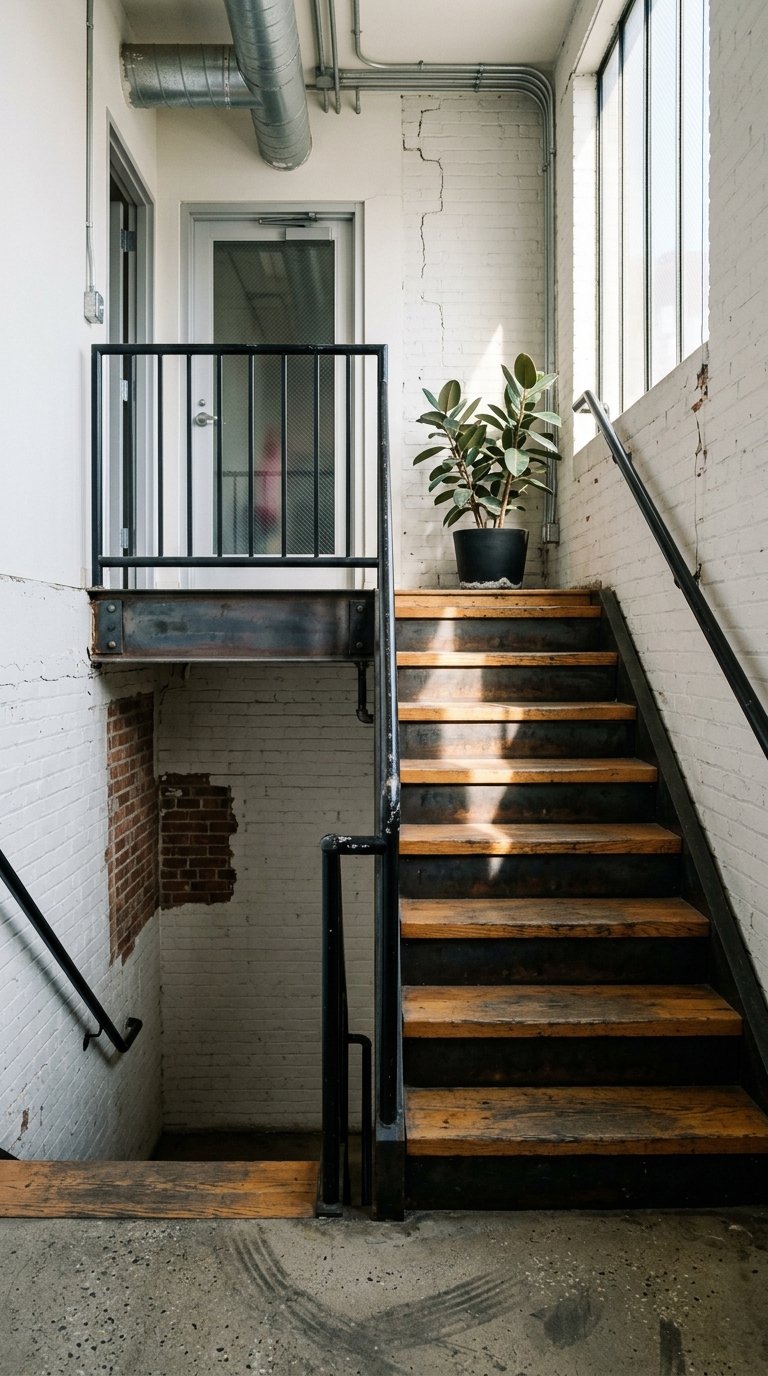
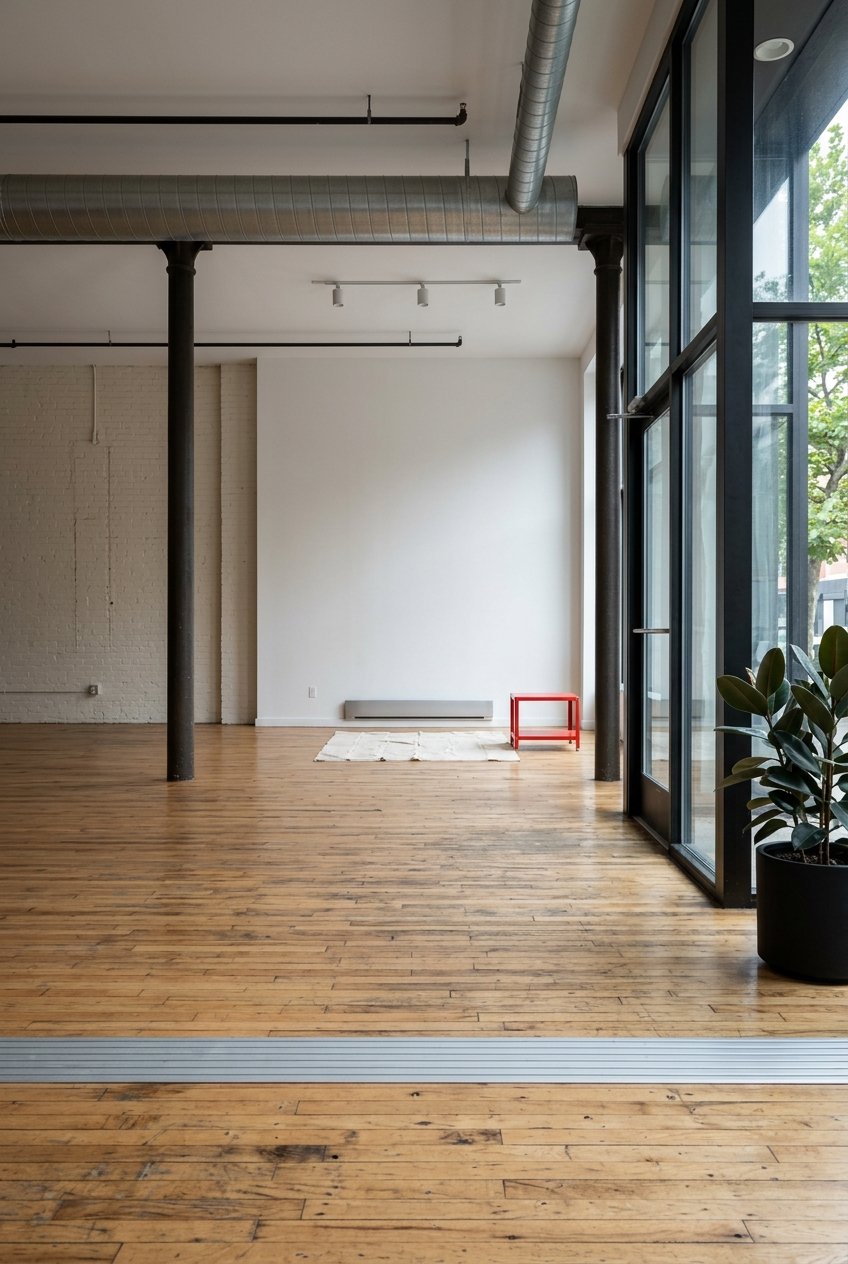
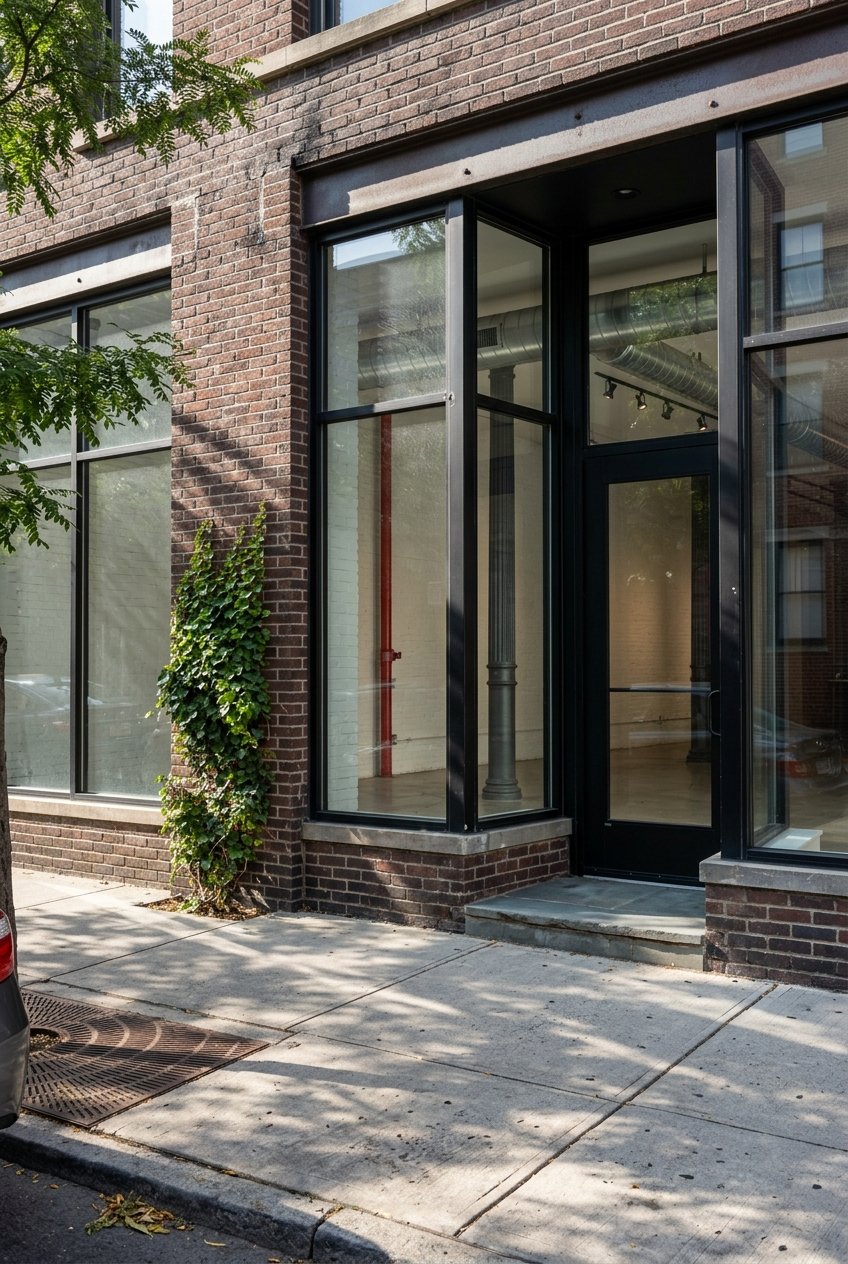
The borough gives brands access to neighborhoods with distinct visual identities rather than one uniform retail feel. You can stage a polished product launch, a gallery-like showroom, a raw industrial installation, or a multi-room cultural program without leaving Brooklyn. That range makes it easier to match the space to the brand story instead of forcing the brand story into the wrong environment.
This matters for more than aesthetics. The setting influences how people photograph the event, how long they stay, and what the experience communicates before a product is even touched. In Brooklyn, the architecture and streetscape often do part of the storytelling for you.
DUMBO works for design-forward launches
If you want a Brooklyn shorthand for visually strong, design-aware activations, DUMBO stands out. The neighborhood combines plaza space, pedestrian-friendly conditions, and waterfront access in a way that feels highly usable for short-term brand moments.
Team Dumbo says it manages the Archway + Plaza, car-free Washington Street, and Old Fulton Plaza. Visit Brooklyn also describes Washington Street as pedestrian-only during daytime hours. Those conditions can support launches and activations that benefit from open-air visibility and strong pedestrian flow.
DUMBO also offers a built environment that feels more editorial than generic. Its BID says the neighborhood includes more than 150 artist studios and over 50 architecture and design firms, alongside riverside office space, lofts, and flexible workspaces. That mix helps explain why the area often feels right for gallery-style retail, design-led products, and brand experiences where the setting is part of the appeal.
Downtown Brooklyn suits volume and daytime traffic
Some activations need atmosphere. Others need scale. Downtown Brooklyn is often the better fit when your priority is high-volume exposure and steady daytime activity.
Downtown Brooklyn Partnership describes the district as a business, cultural, educational, residential, and retail destination. It also says Fulton Mall welcomes more than 100,000 visitors a day. For brands that want broad visibility, impulse visits, or strong commuter and daytime-worker traffic, that is a meaningful advantage.
The district also benefits from managed public spaces and free plaza events. That mix can help a pop-up feel connected to an active urban environment rather than isolated inside a single storefront. If your goal is reach, Downtown Brooklyn deserves a close look.
Williamsburg fits culturally current campaigns
Williamsburg remains one of Brooklyn’s clearest signals for brands that want a current, creative backdrop. Visit Brooklyn describes the neighborhood as having a vibrant arts scene, nightlife, and creative community. That identity can be useful for launches aimed at audiences who respond to culture, design, and social sharing.
The waterfront location also helps. NYC Ferry serves both North Williamsburg and South Williamsburg, making the area easier to reach from multiple points across the city. For brands, that adds flexibility and helps support destination visits.
Williamsburg is not a one-size-fits-all answer, but it works well when you want a neighborhood that already carries a strong cultural narrative. In the right space, that can amplify the tone of the activation before guests even walk in.
Bushwick supports experimental concepts
Bushwick offers a different kind of Brooklyn advantage. It is useful when the activation needs to feel more raw, exploratory, or arts-led. The neighborhood can support concepts that benefit from texture, street energy, and a less polished visual language.
The city’s Bushwick Neighborhood Plan Update describes the area as a thriving, diverse neighborhood of nearly 121,000 people with active commercial corridors and growing retail, healthcare, service, and arts sectors. It also notes transit access through the J, M, Z, and L lines plus nine bus routes. That gives brands both local context and practical accessibility.
The same update points to ongoing work on pedestrian safety, lighting, and streetscape conditions under elevated infrastructure. For some brands, that setting can be part of the appeal. Bushwick is often a strong match for experimental retail, community-facing programming, and activations that want an industrial or unfinished backdrop.
Red Hook offers waterfront and adaptive reuse appeal
Red Hook works best when the experience needs room, texture, and a sense of place. It is less about traditional main-street retail and more about creating an event environment with industrial character and a waterfront identity.
Pioneer Works helps illustrate that appeal. It describes itself as an artist- and scientist-led cultural center in a historic 1866 industrial building with interconnected studio, performance, exhibition, and multipurpose spaces. It also says most public programming is free, which helps explain why the area can support experiences that feel more like a cultural campus than a standard retail activation.
For brands, Red Hook can be compelling when the goal is immersion rather than simple foot traffic. If your activation benefits from multiple rooms, programming layers, or a more destination-driven feel, this part of Brooklyn may be the right fit.
Cultural anchors strengthen Brooklyn’s credibility
A successful activation often depends on context as much as location. Brooklyn benefits from cultural institutions that give the borough weight and legitimacy for programming that wants to feel serious, thoughtful, or creatively grounded.
BAM says it has served the Brooklyn community since 1861 and identifies itself as America’s oldest performing arts center. That kind of long-standing institutional presence matters. It helps support launches, screenings, gallery programming, and events that need more than visual impact.
When a borough combines retail density with respected cultural infrastructure, brands get a stronger platform for storytelling. Brooklyn offers that balance in a way few places can.
Why Brooklyn keeps working for activations
Brooklyn’s real strength is not just one neighborhood or one type of space. It is the fact that multiple activation styles can coexist within one transit-connected borough. You can choose polished pedestrian blocks, high-volume shopping corridors, industrial backdrops, or waterfront settings without leaving the market.
That flexibility matters when you are trying to match concept, audience, and space. A beauty launch, gallery pop-up, product drop, media event, or showroom can each find a different kind of home here. Brooklyn gives brands the room to be specific.
For a team like RAWSPACE, that is where curation becomes valuable. The right Brooklyn venue is not only about square footage. It is about neighborhood fit, spatial character, and how the location supports the story you want people to remember.
If you are planning a pop-up, showroom, or brand activation and want a space that feels purposeful from the start, Dan Atmaram can help you find the right Brooklyn setting.
FAQs
Why is Brooklyn a strong market for pop-up retail?
- Brooklyn combines a large population, a substantial worker base, strong retail activity, and neighborhoods with distinct identities, which makes it well suited for short-term retail and activations.
Which Brooklyn neighborhood is best for a design-forward brand activation?
- DUMBO is often a strong fit for design-forward launches because it offers pedestrian-friendly public space, plaza programming, ferry access, and a built environment shaped by artist studios and design firms.
What makes Downtown Brooklyn useful for pop-ups?
- Downtown Brooklyn is useful for brands that want higher-volume traffic, especially during the day, and Fulton Mall reportedly sees more than 100,000 visitors daily.
How does transit help Brooklyn brand activations?
- Transit helps activations by making them easier to reach, and Brooklyn benefits from subway connections, multiple NYC Ferry landings, and the Brooklyn Waterfront Greenway.
Is Bushwick a good fit for experimental retail concepts?
- Yes, Bushwick can work well for experimental or arts-led concepts because it has active commercial corridors, strong transit access, and a streetscape character that supports more industrial or unfinished brand presentations.
What kind of activation works well in Red Hook, Brooklyn?
- Red Hook often suits destination-style activations, multi-room events, and experiences that benefit from waterfront identity, adaptive-reuse architecture, and a more immersive setting.